A dog is a dog is a dog? Comparing populations in canine behavioral science


Jeff Stevens

Canine Cognition and Human Interaction Lab
Department of Psychology
Center for Brain, Biology & Behavior
2026-10-02

Introduction

Population variation

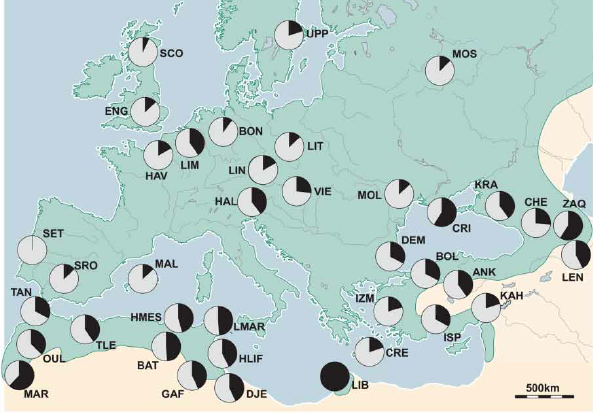
Illustration of relative bill length across dozens of populations of chaffinch in Europe and North Africa.

Dog populations

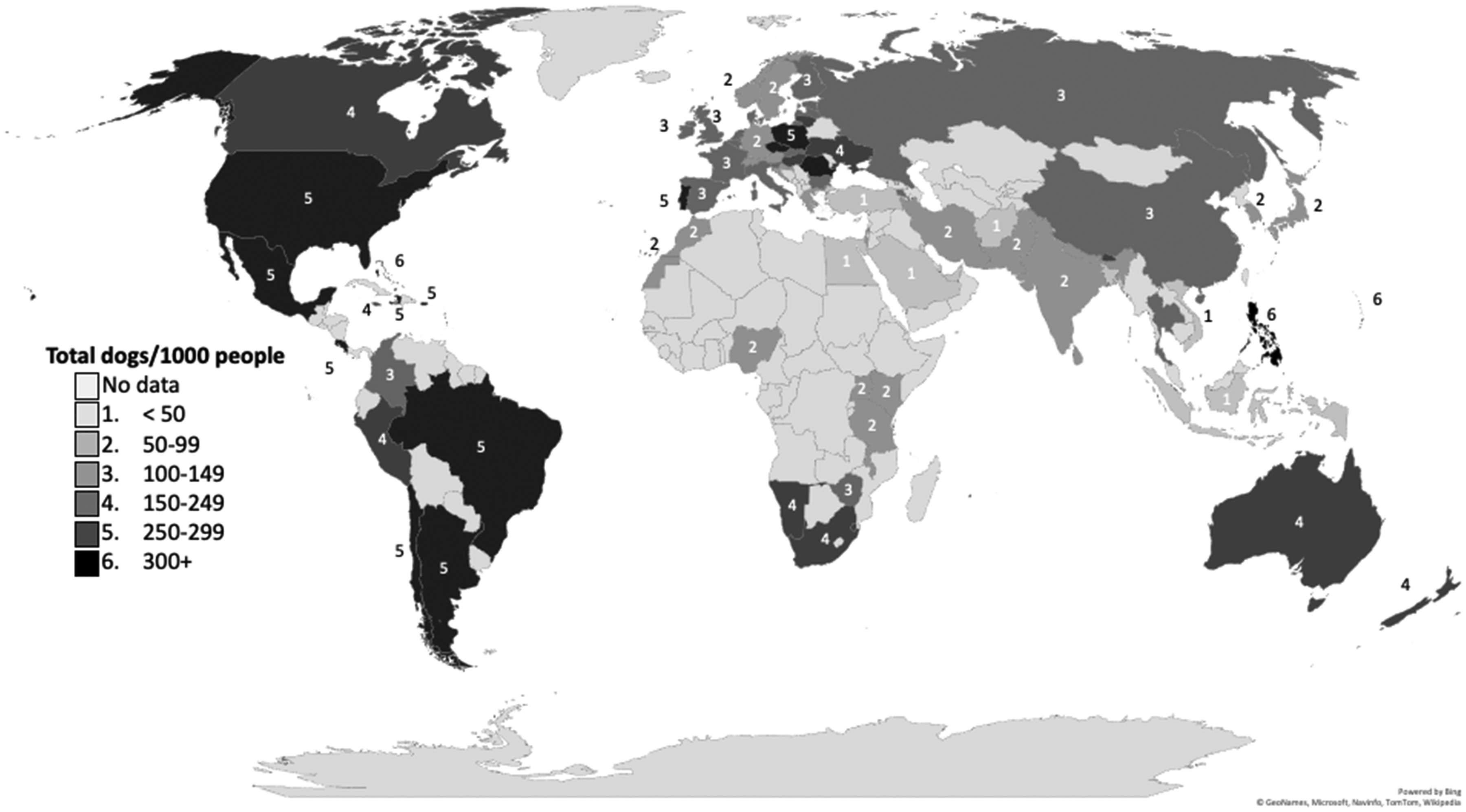
Illustration of distribution of dog densities across countries on a world map.

Research question

How generalizable are results from one sample of dogs?
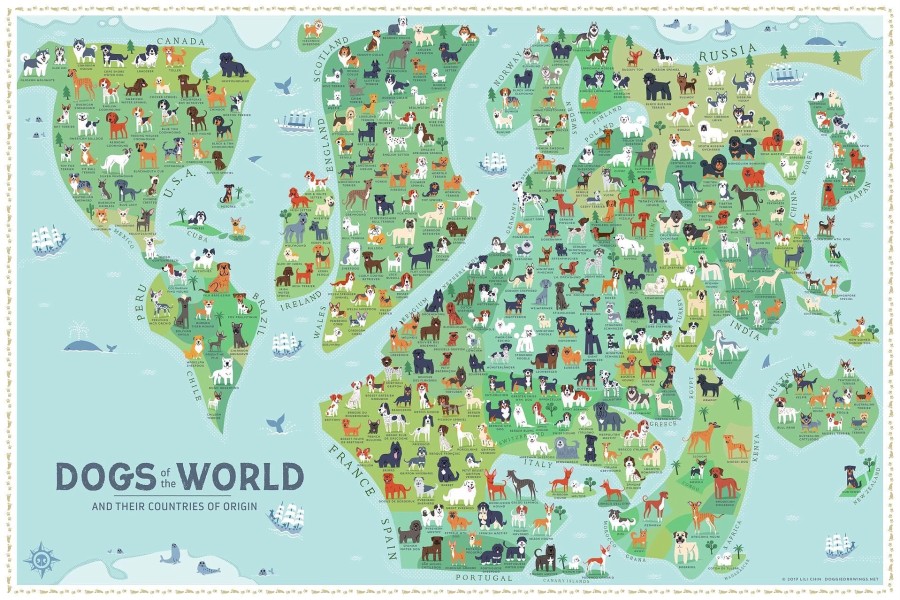
Artwork by Lili Chen

Replication across populations

What dogs see

Illustration of dog color spectrum compared to human color spectrum.

Illustration by Pet Sitting Malta

What do dogs prefer?
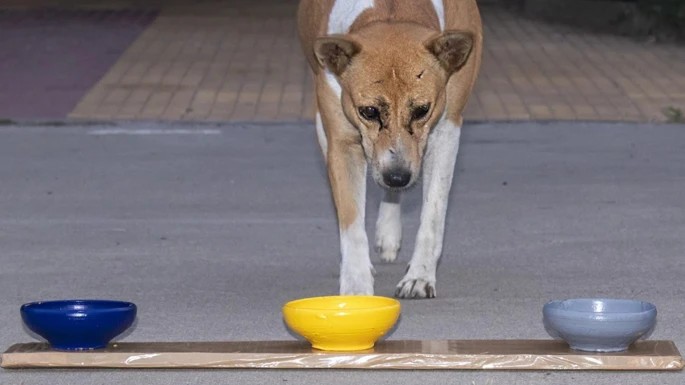
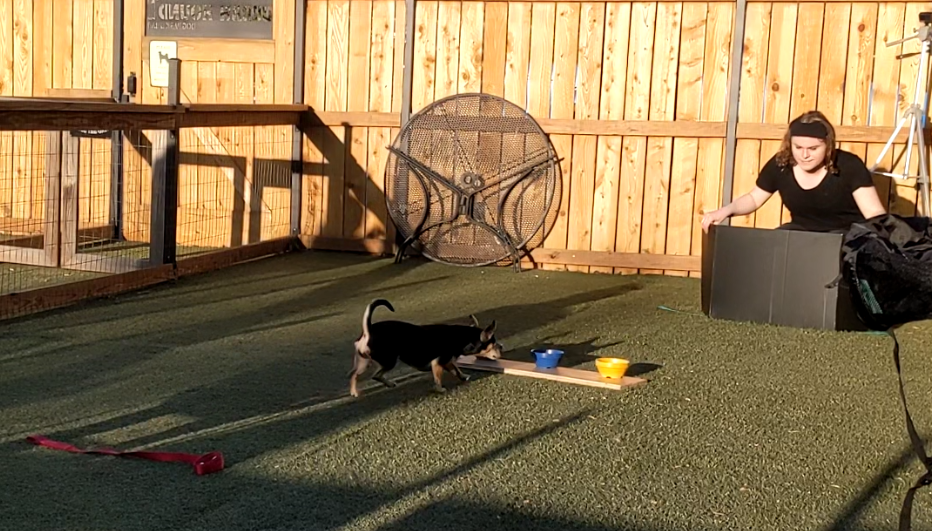
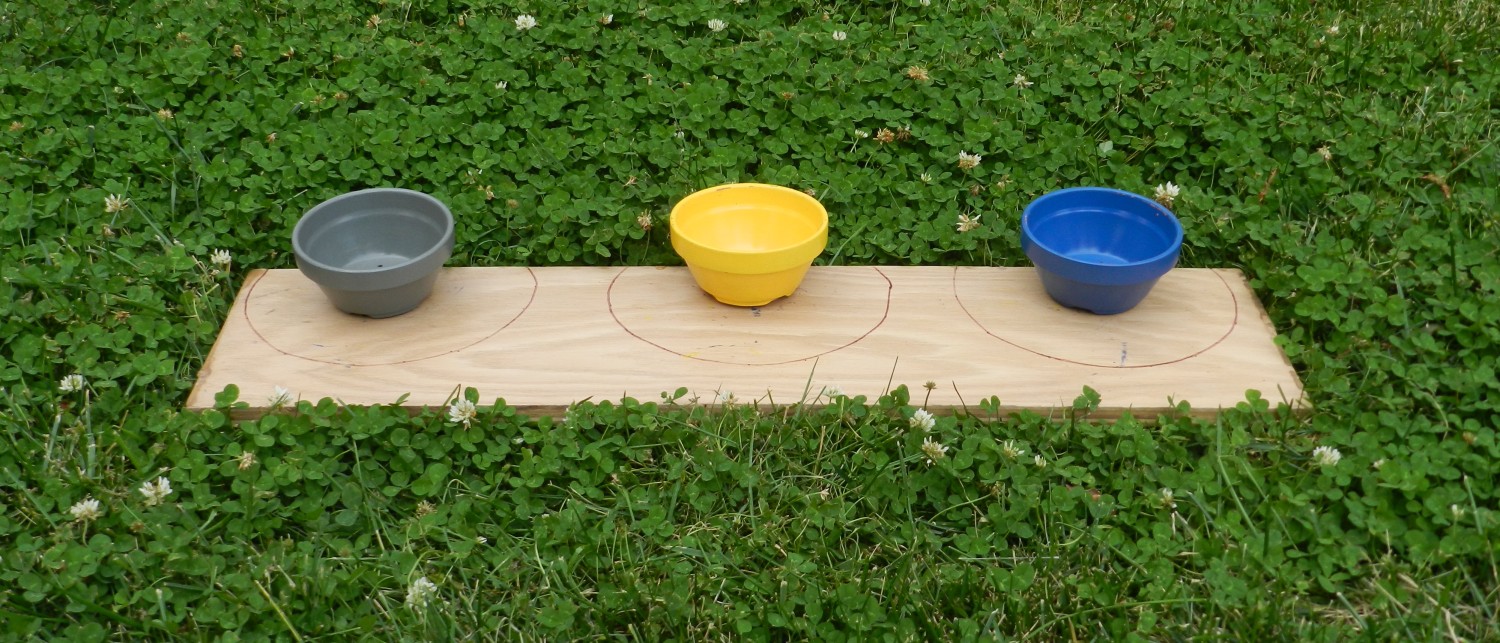
Brown and white street dog approaching wooden tray with blue, yellow, and grey bowls.

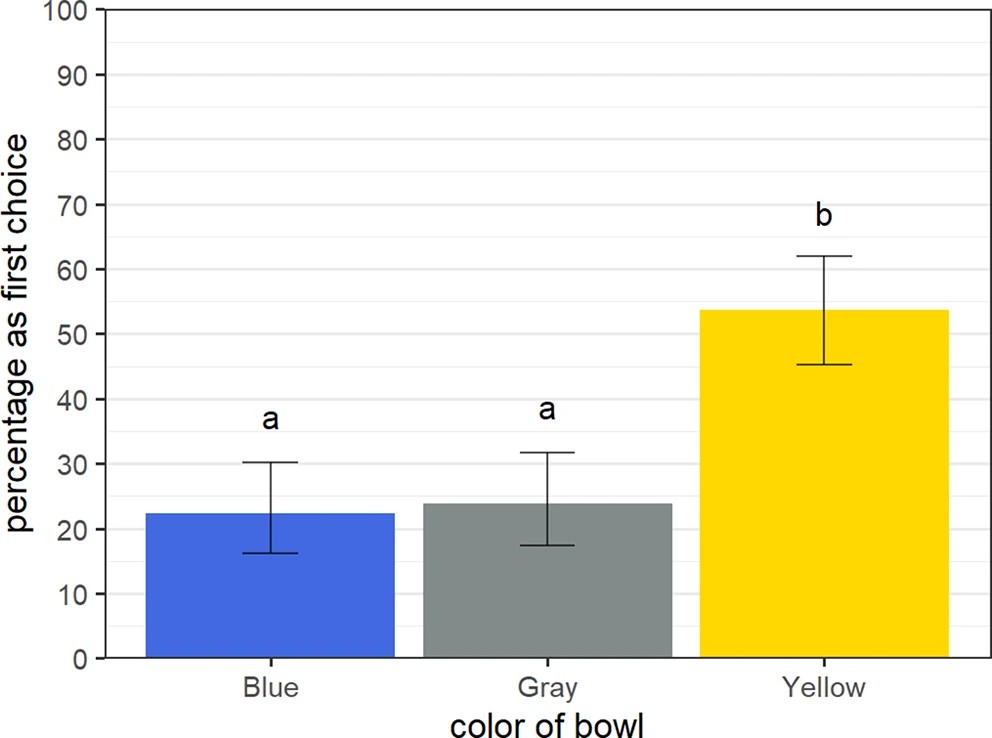
Dynamite plot of percentage of each color bowl (blue, grey, and yellow) as first choice. Twice as many dogs chose yellow compared to blue or grey.

Why am I worried about dog color preferences?
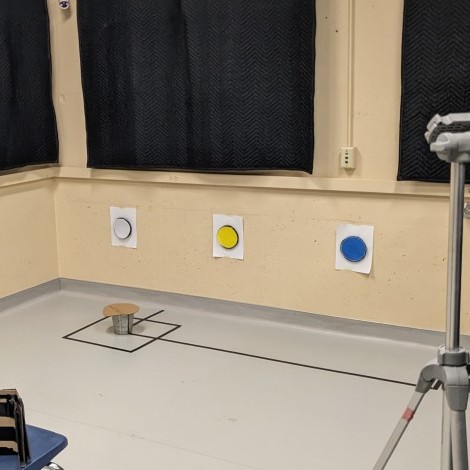
Image of multi-colored dog toys on carpet or grass for both human and dog color vision.

Image of person pointing to one of two blue cups.

Images by pawleaks.com and UNL CCHIL

Replicate Roy et al. 2025

Research Question

Do pet dogs in the U.S. prefer the color yellow?
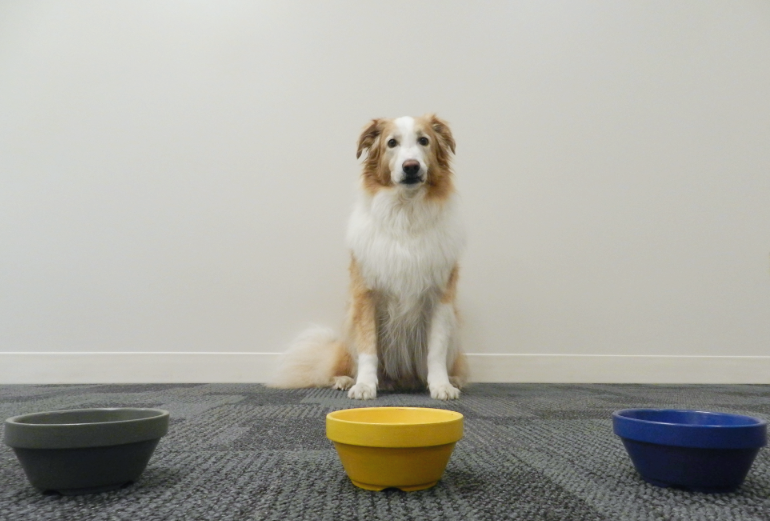
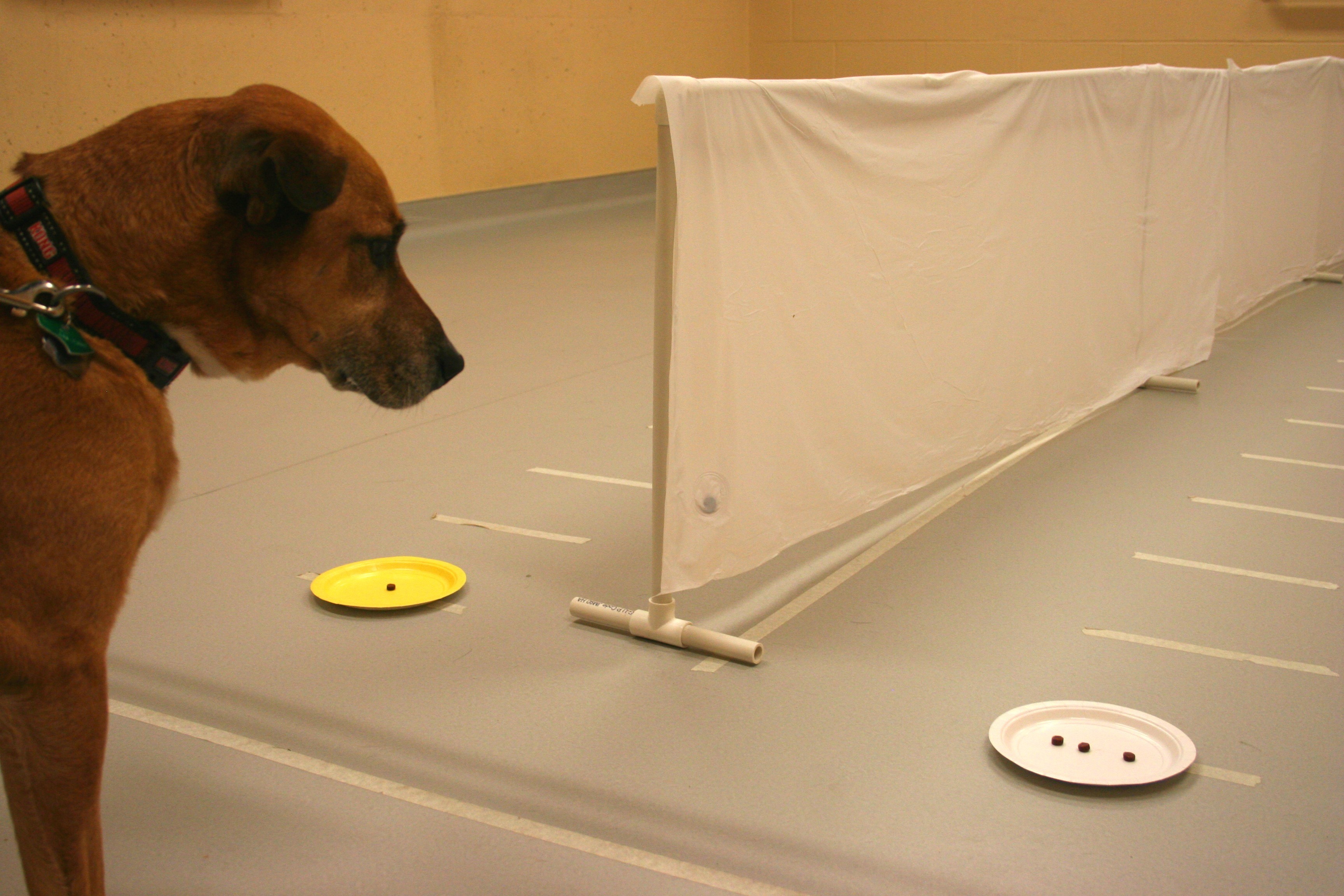
Brown and white dog sitting behind grey, yellow, and blue bowls.

Experiment 1 methods

Brown and white dog sitting behind grey, yellow, and blue bowls.
  • Tested 75 dogs at dog parks, dog bars, etc.
  • Chose between grey, yellow, and blue bowls
  • Recorded first bowl approached

No color preference
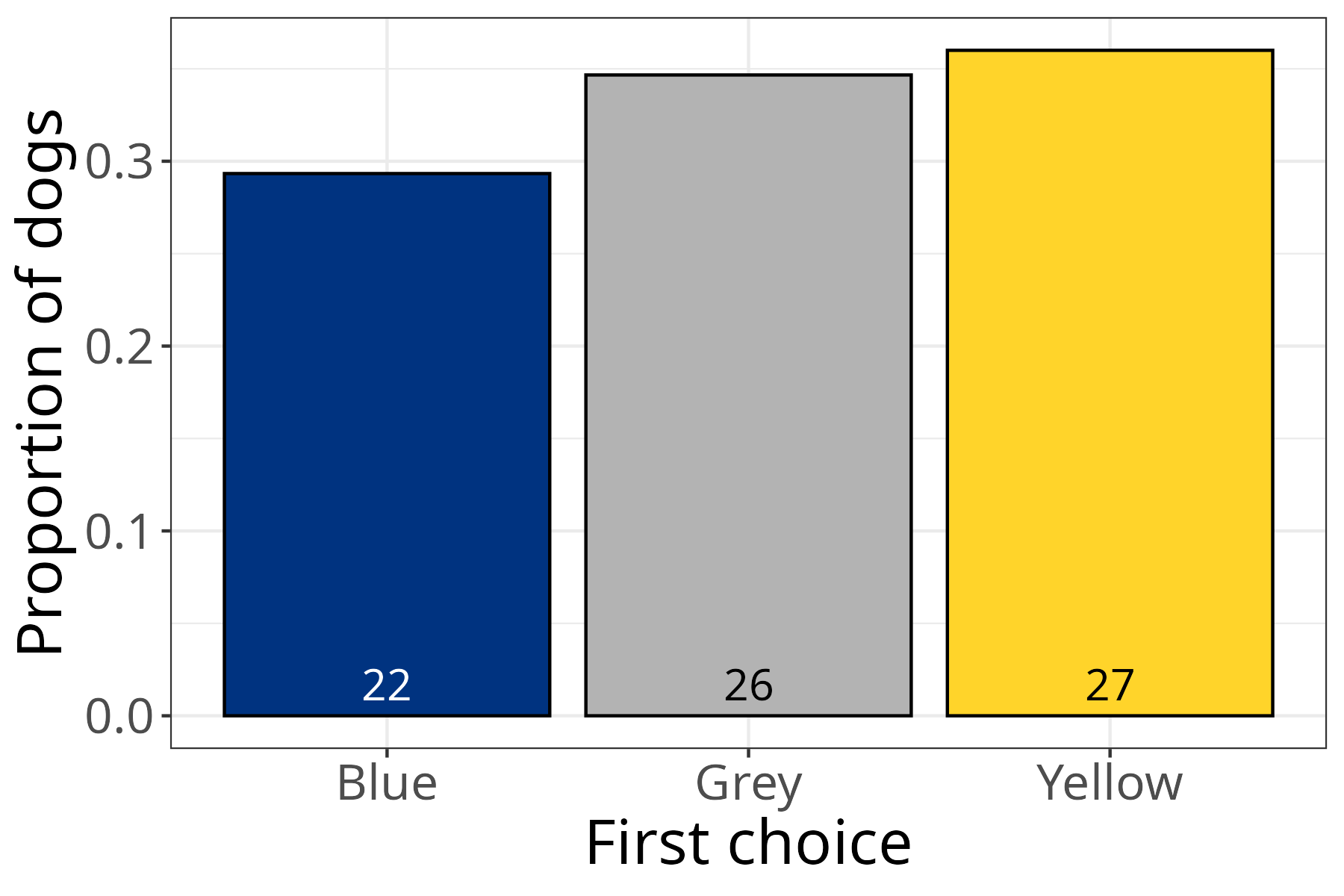
Plot of number of subjects for each bowl color showing stronger preference for yellow over blue.

Experiment 2 methods

Brown and white dog sitting behind grey, yellow, and blue bowls.
  • Tested 134 dogs under 7 years old at dog parks
  • Chose between grey, yellow, and blue bowls

Dogs preferred yellow
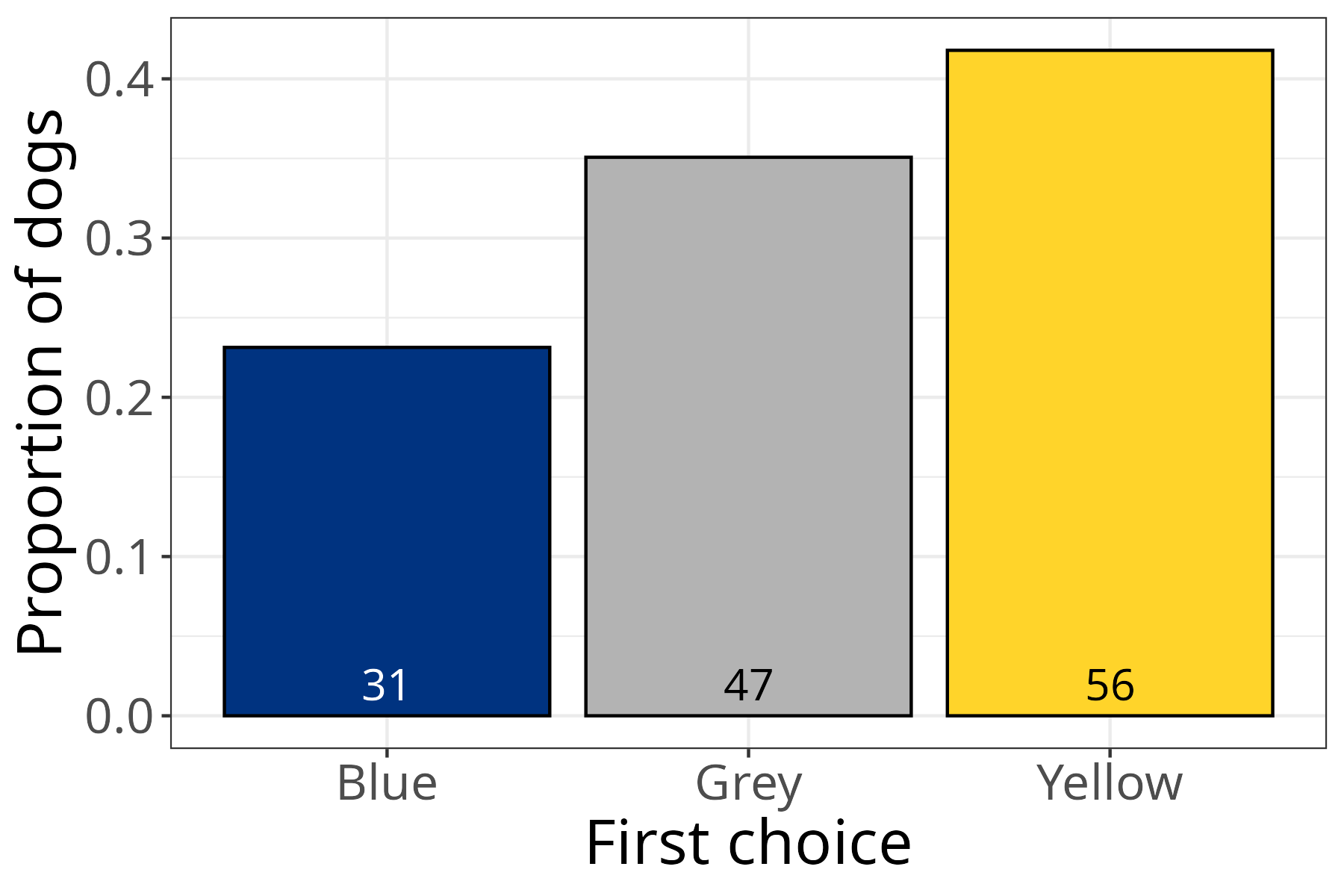
Plot of number of subjects for each bowl color showing stronger preference for yellow over blue.

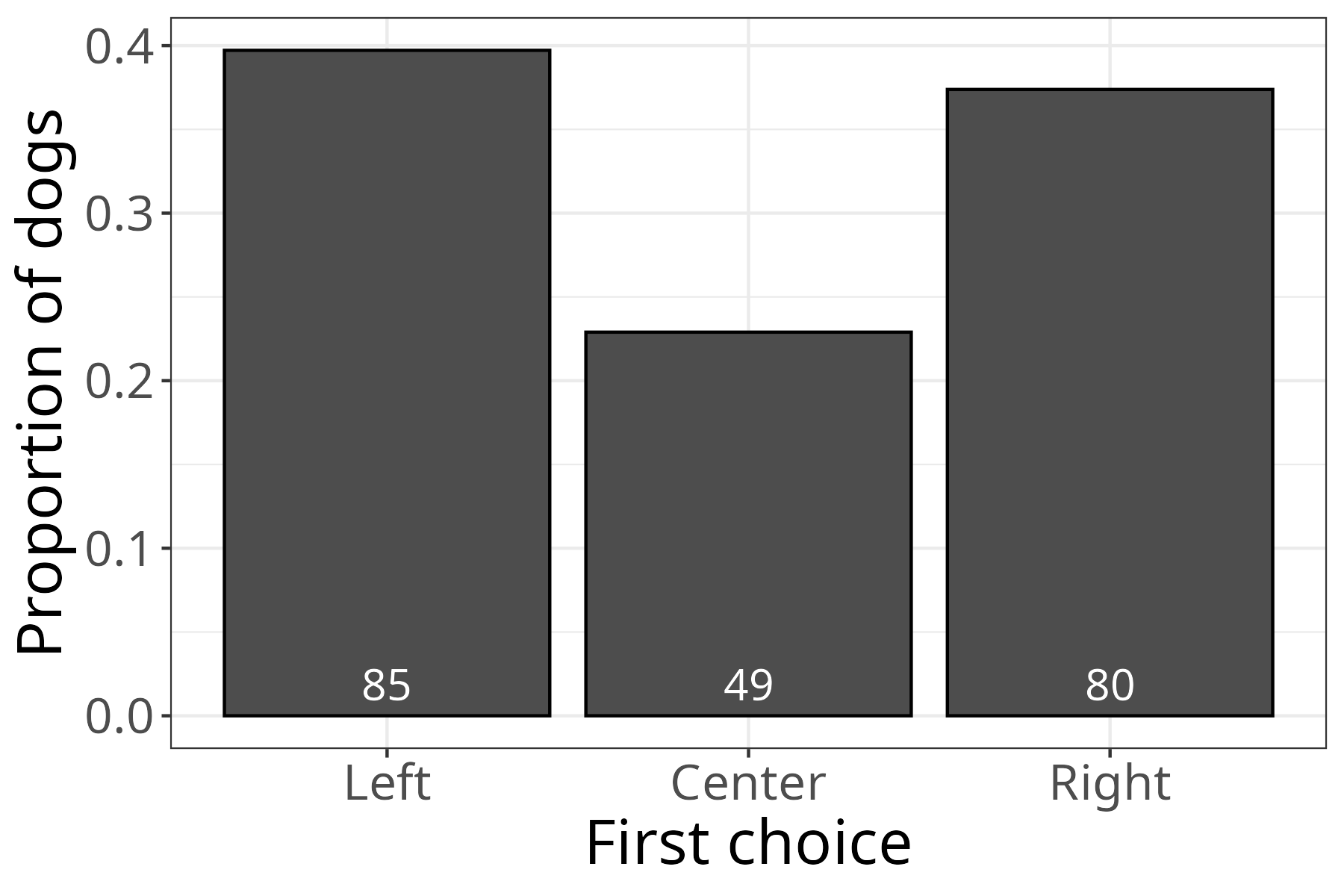
No effect of position

Plot of number of subjects chooseing blue, grey, and yellow bowls with separate panels for purebred and mixed breed dogs.

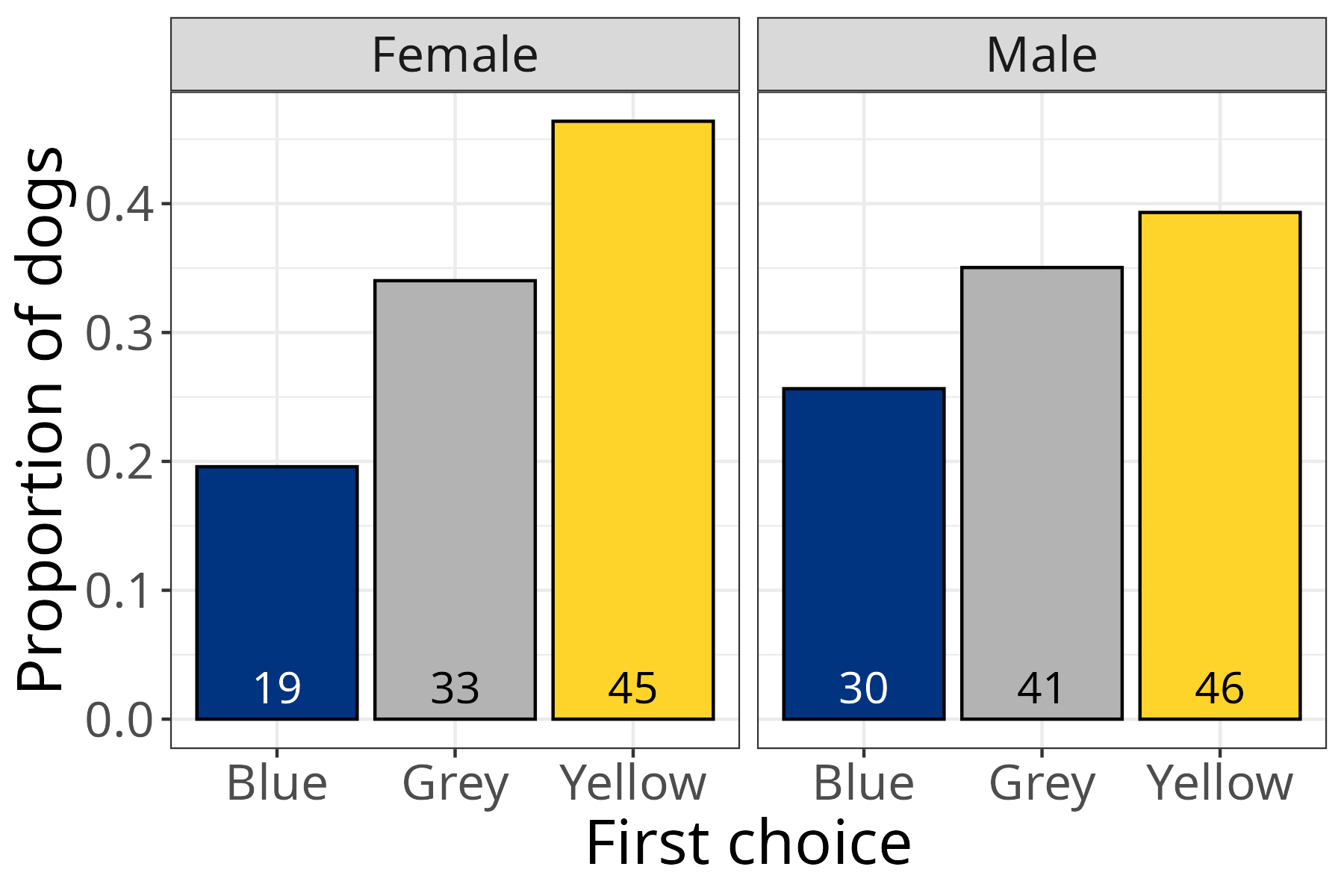
No effect of sex

Plot of number of subjects choosing blue, grey, and yellow bowls with separate panels for males and females.

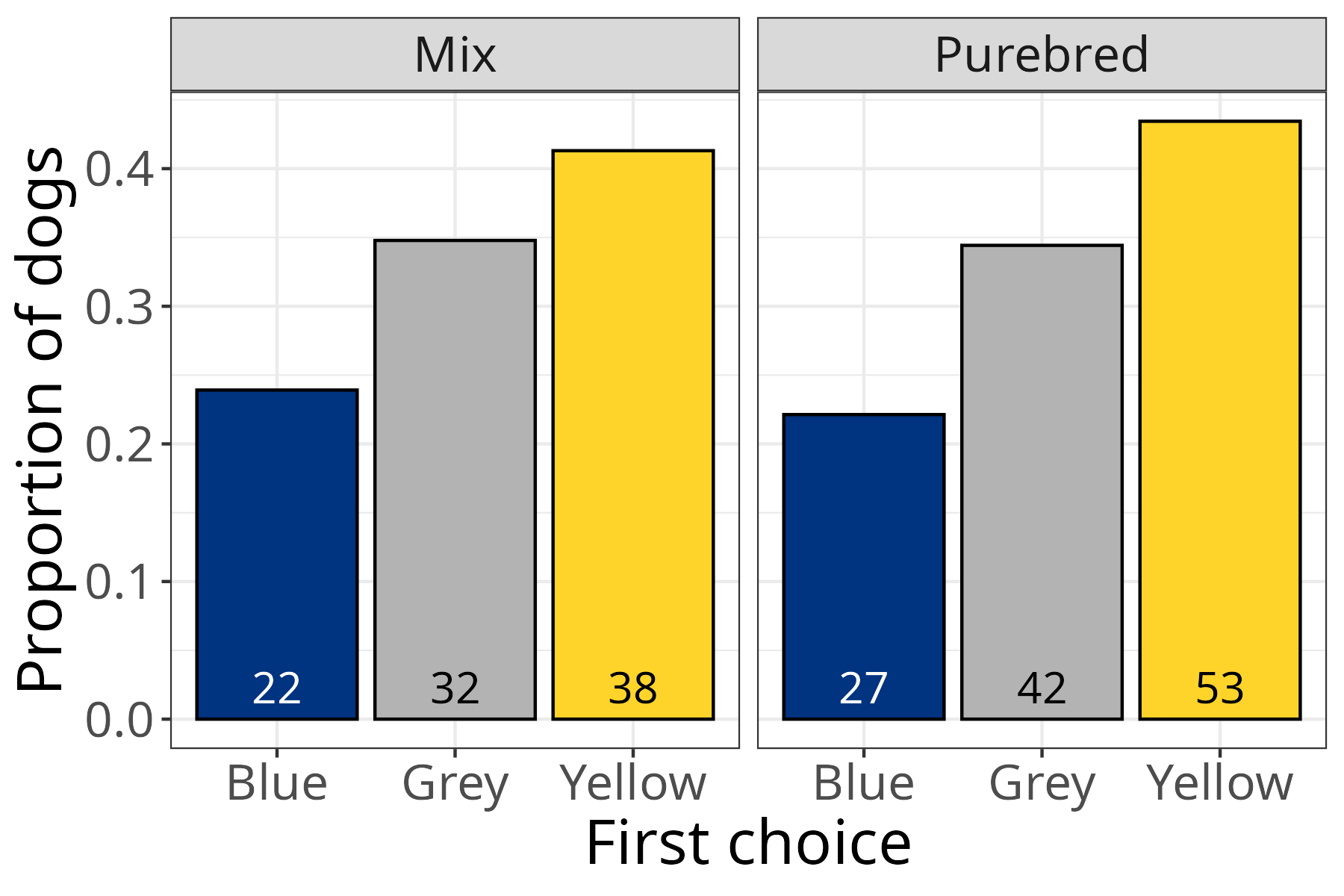
No effect of purebreed/mixed breed

Plot of number of subjects choosing blue, grey, and yellow bowls with separate panels for purebred and mixed breed dogs.

No effect of weather

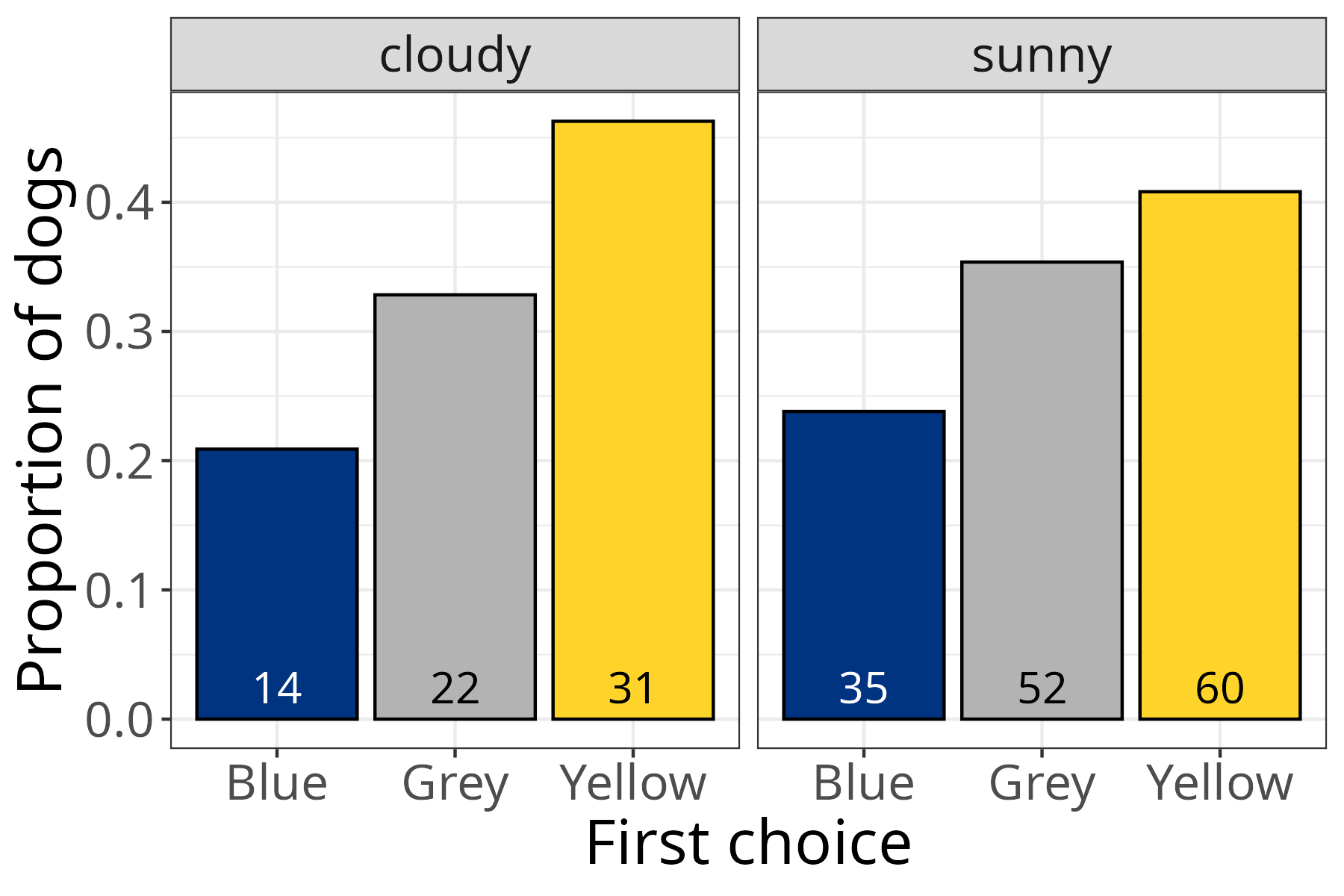
Plot of number of subjects choosing blue, grey, and yellow bowls with separate panels for cloudy, rainy, and sunny weather.

But what else might cause preference?

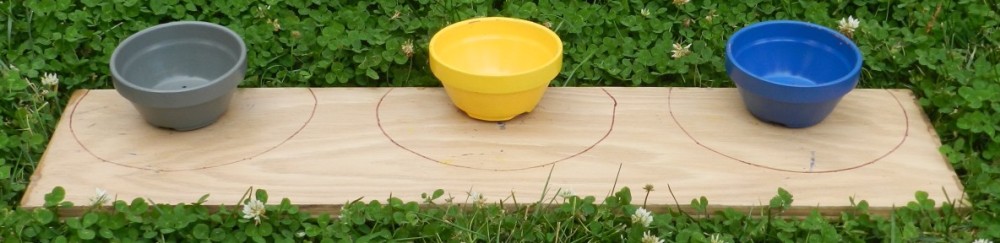
Image of wooden tray with blue, yellow, and grey bowls.

Image of wooden tray with blue, yellow, and grey bowls.

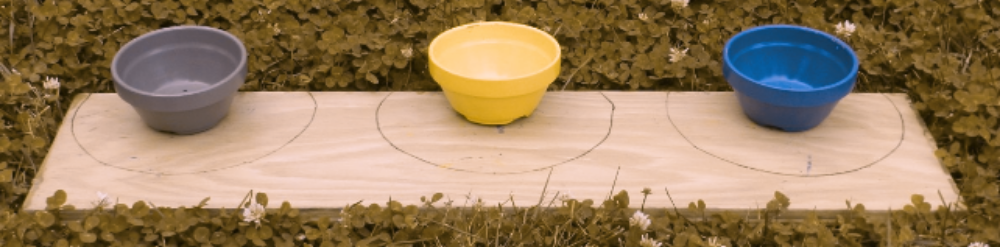
Image of wooden tray with blue, yellow, and grey bowls using a filter for dog vision.

Experiment 3 methods

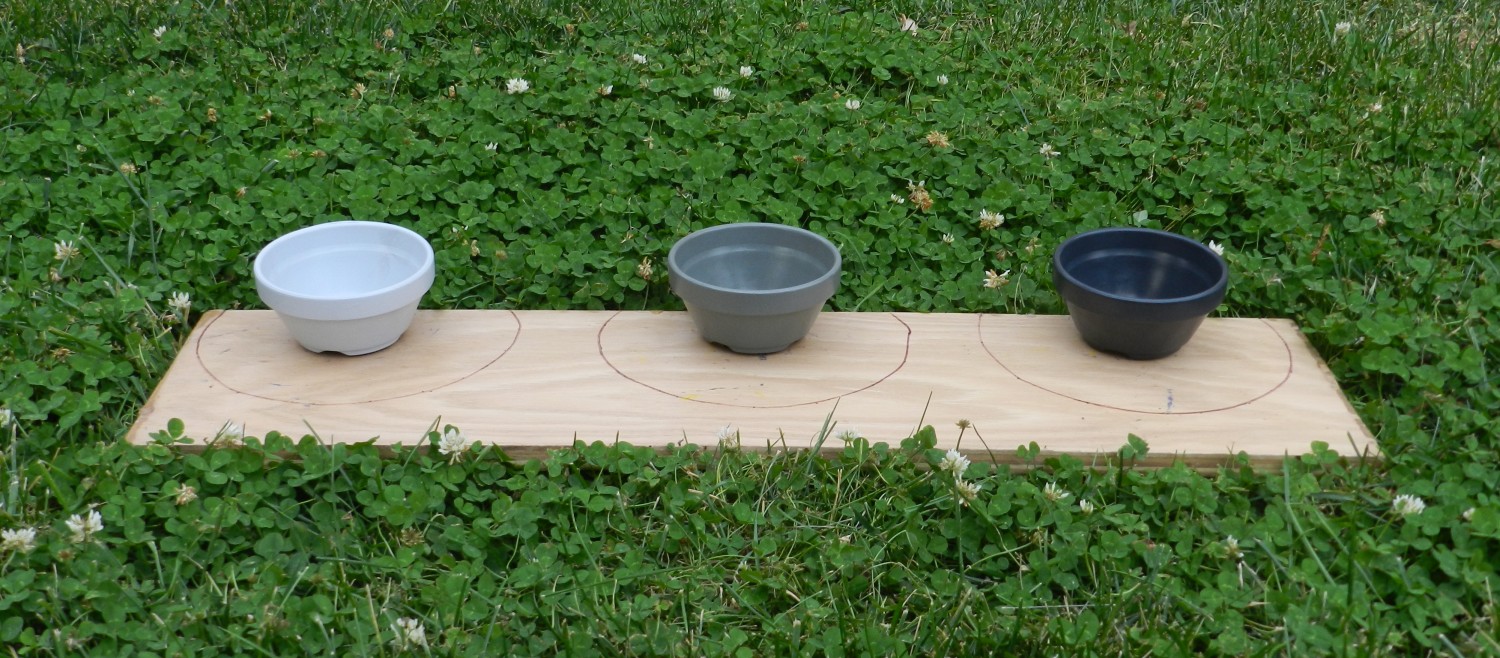
Illustration of light, medium, and grey bowl.
  • 141 dogs under 7 at dog parks, bars, and daycares
  • Chose between light, medium, and dark grey bowls

Dogs didn’t prefer light grey
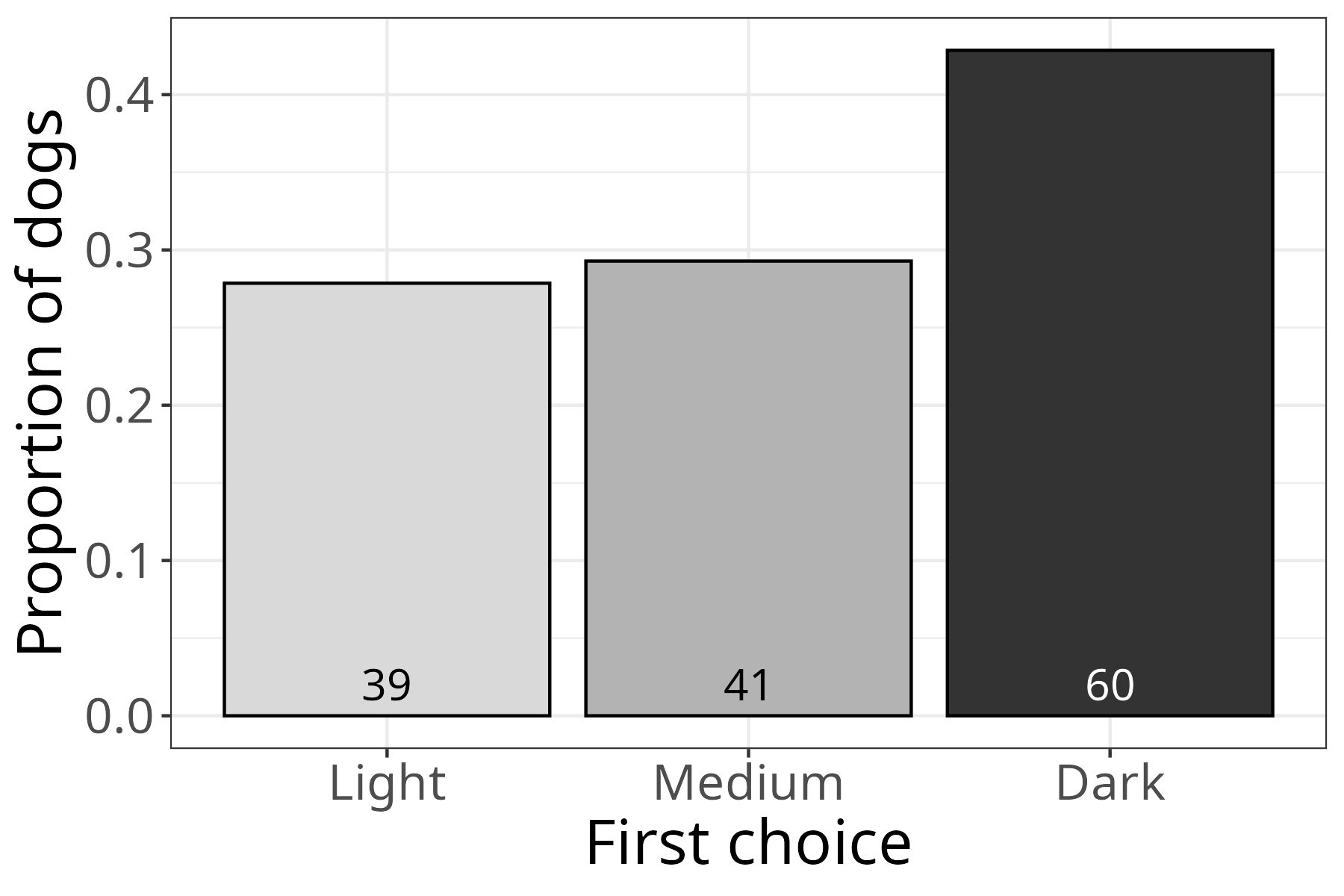
Plot of number of subjects choosing light, medium, and dark grey bowls showing slight preference for dark bowls.

Summary

  • We replicated Roy et al. (2025)

  • Similar preferences across two (very different) populations of dogs

  • Brightness can’t account for this preference
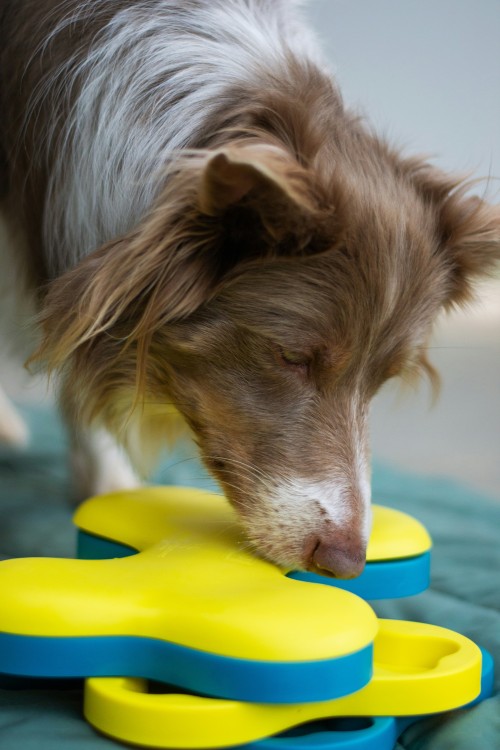
Variation between research sites

Failed replication

Big team science

ManyX projects

  • ManyPrimates
  • ManyBirds
  • ManyGoats
  • ManyFishes
  • ManyOtters
  • ManyPigs
  • ManyZoos
  • ManyManys

ManyDogs Project

International research consortium of scientists with shared interest in canine behavior and cognition (manydogs.org)

ManyDogs logo with yellow, orange, and blue dogs jumping between the words Many and Dogs.

ManyDogs Project

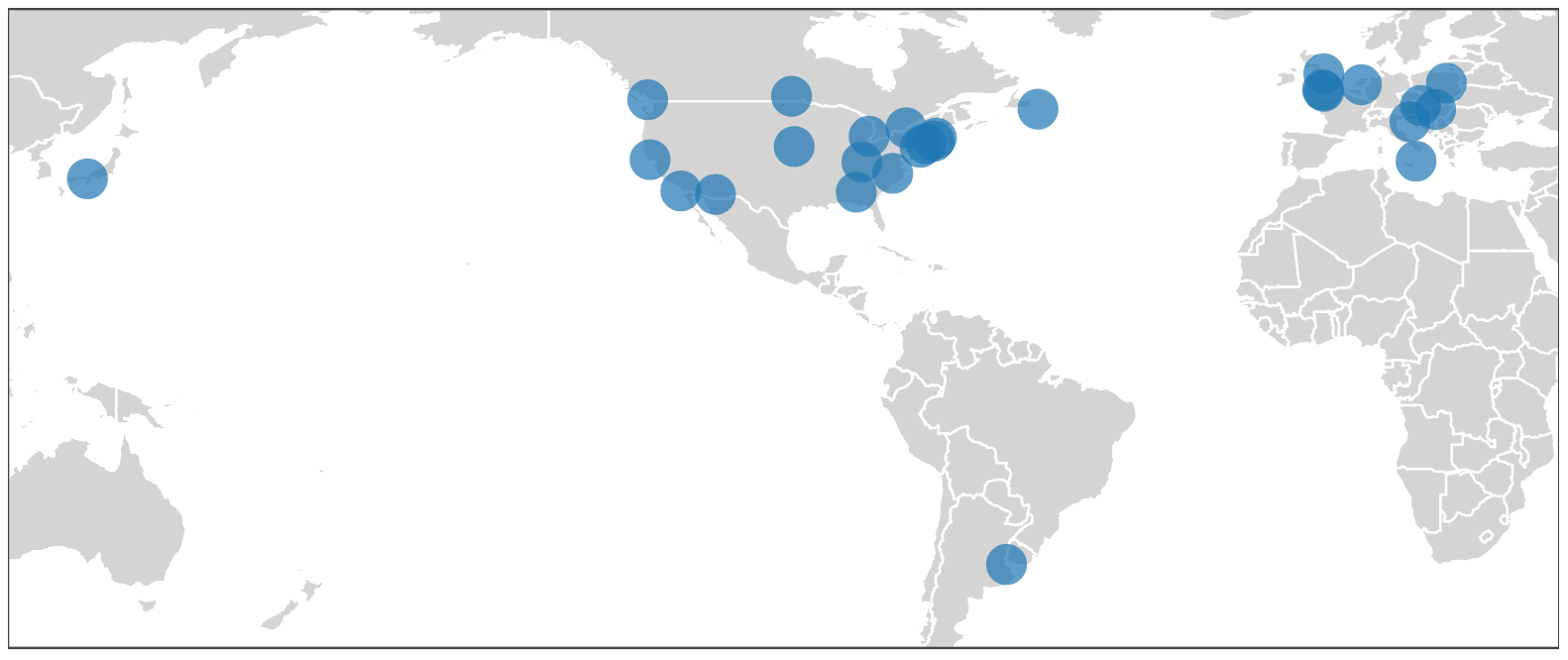
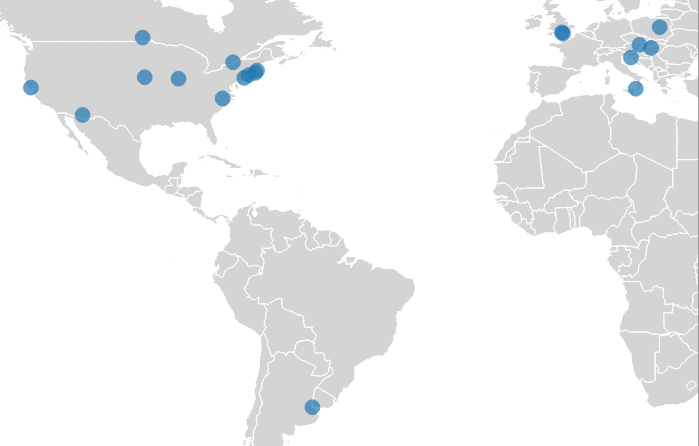
Map of the world with ManyDogs Project sites marked with blue dots.

ManyDogs 1

Research Question

Do dogs treat human pointing as communicative cues?
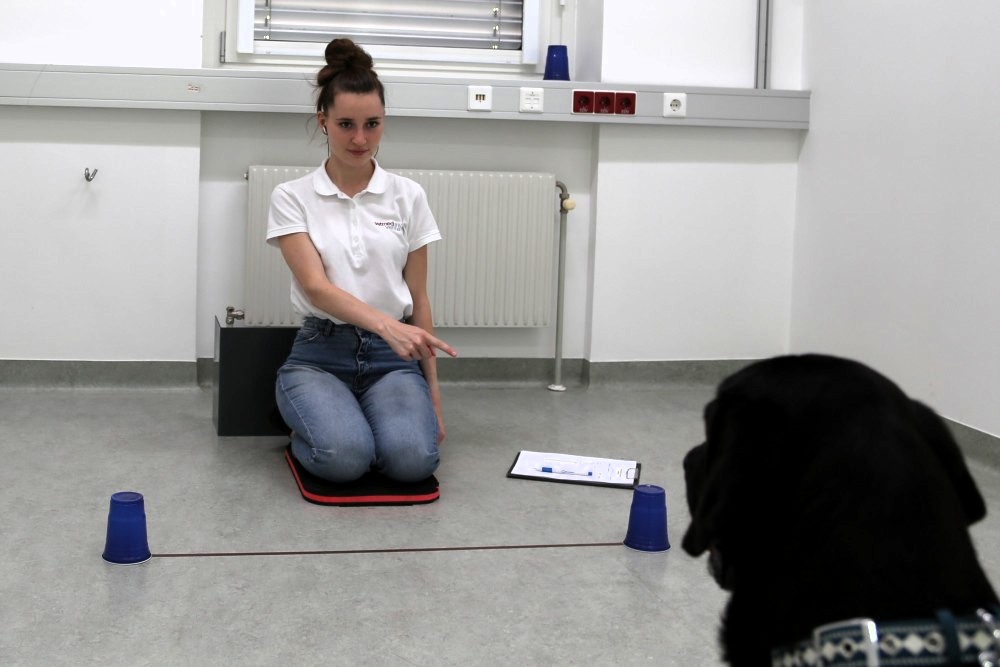
  • 704 dogs tested
  • 20 research sites

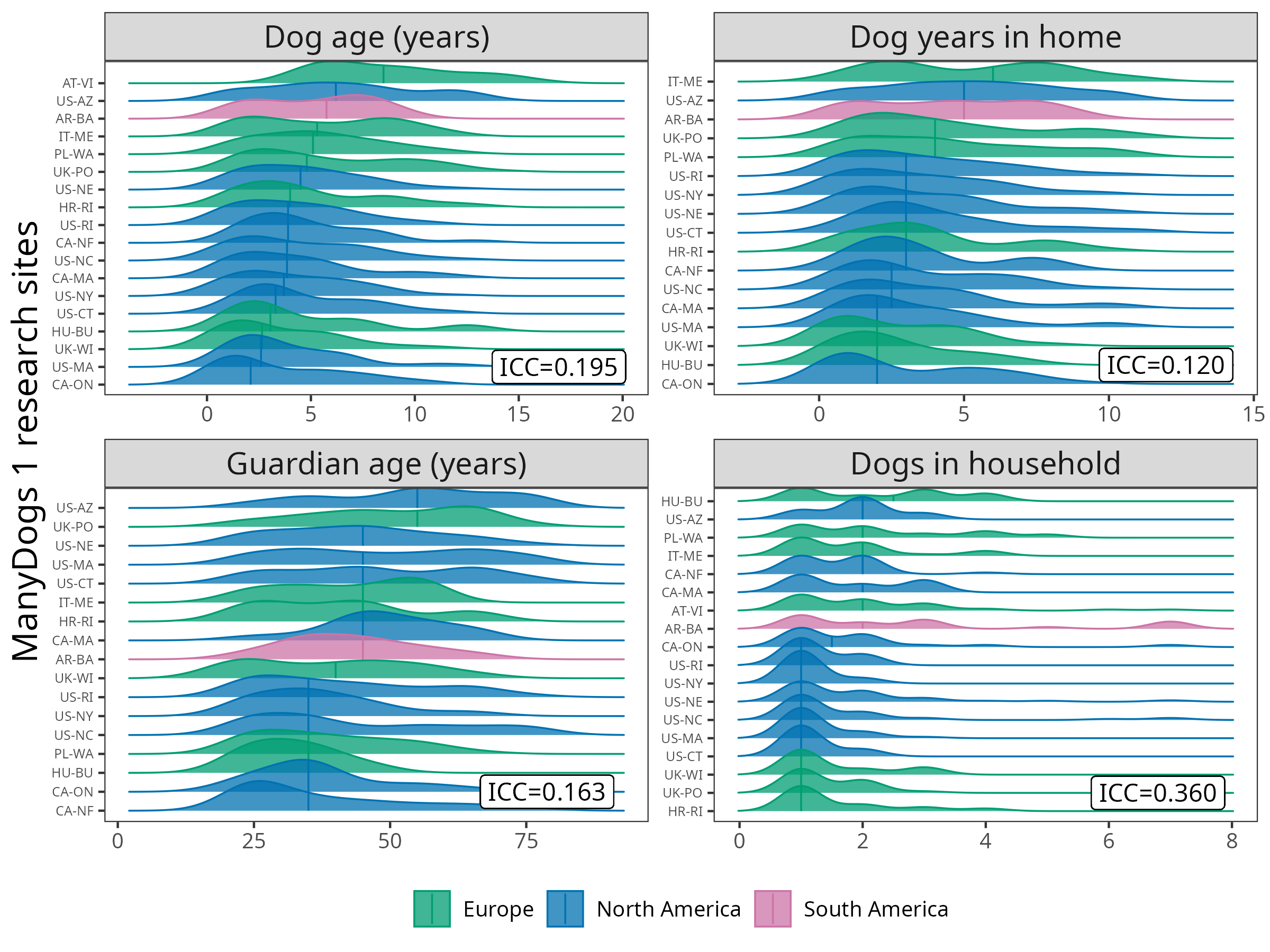
ManyDogs 1 demographics

Dog demographics

  • Age, sex, neuter status, breed, origin, years in home, previous research experience

Guardian demographics

  • Age, gender

Household demographics

  • Dogs in household, urban/suburban/rural environment

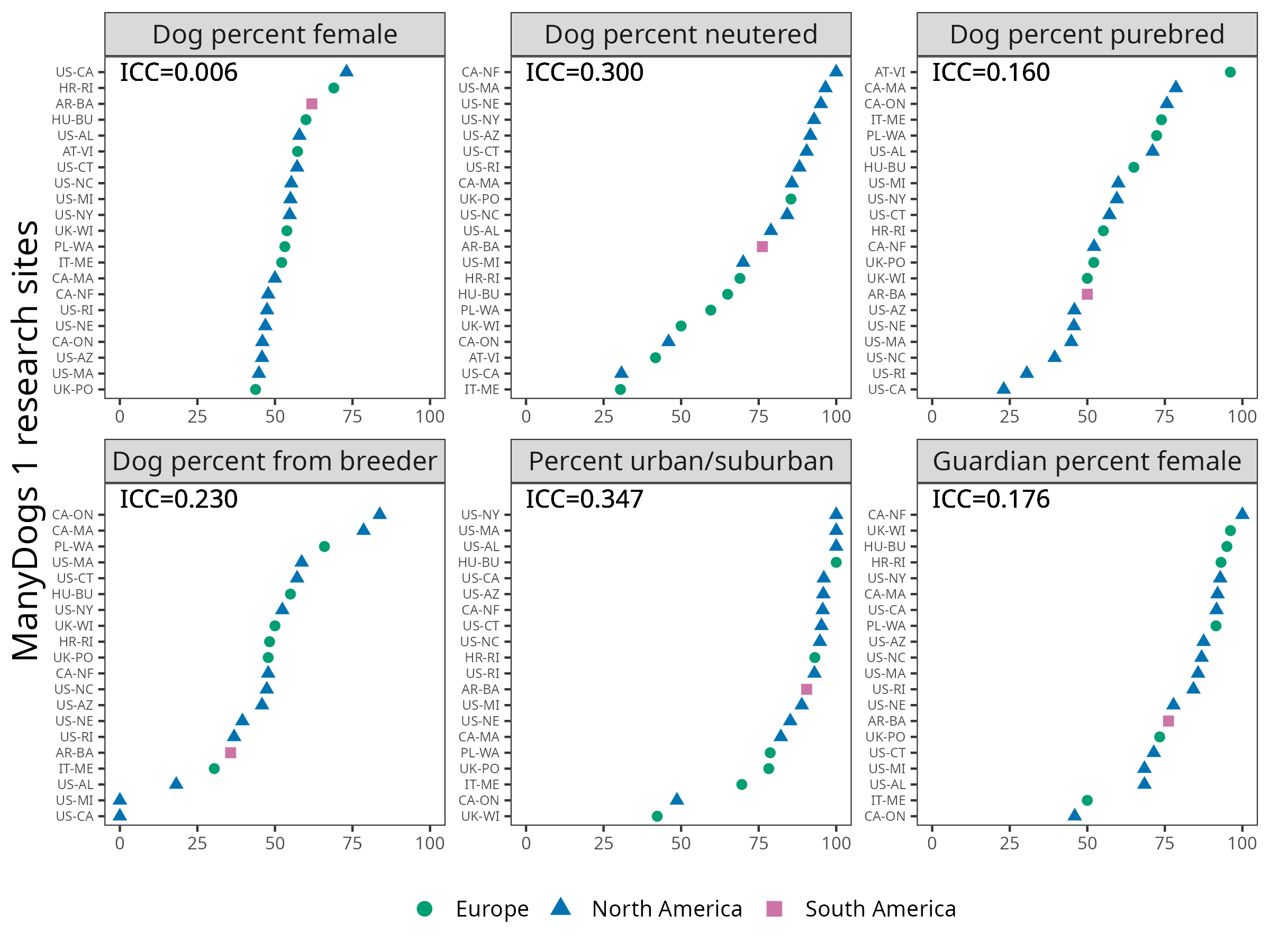
Continuous demographics across sites

Binary demographics across sites
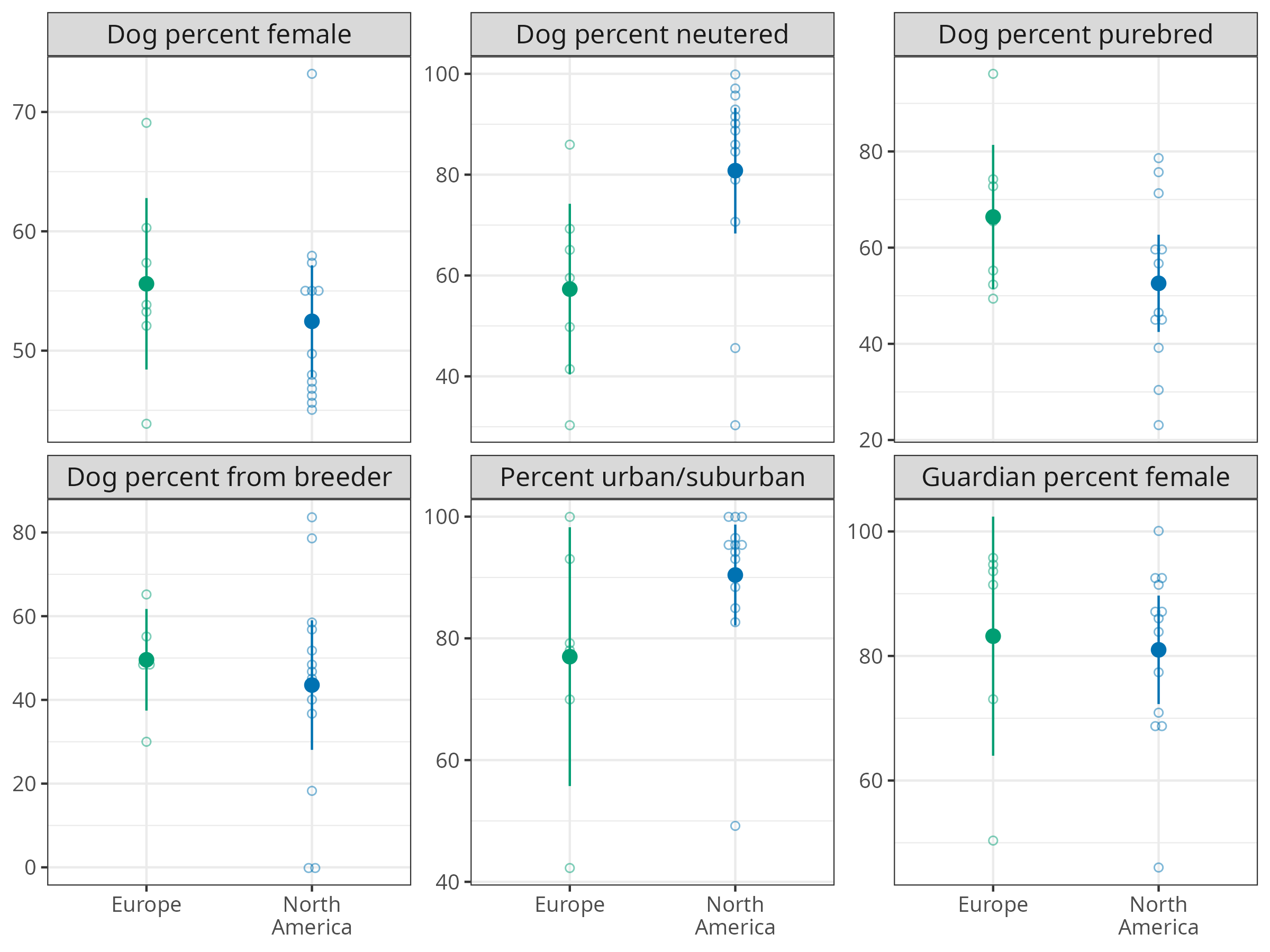
Regional comparisons
Demographic questions
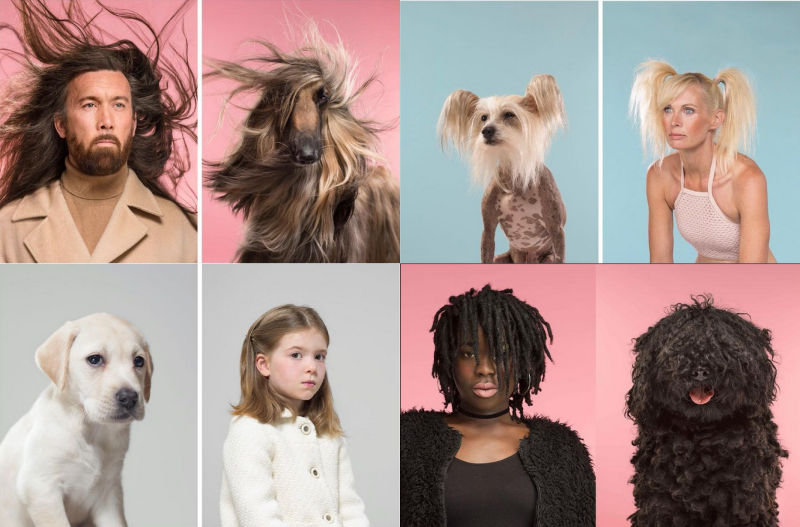
Photo by Gerard Gethings

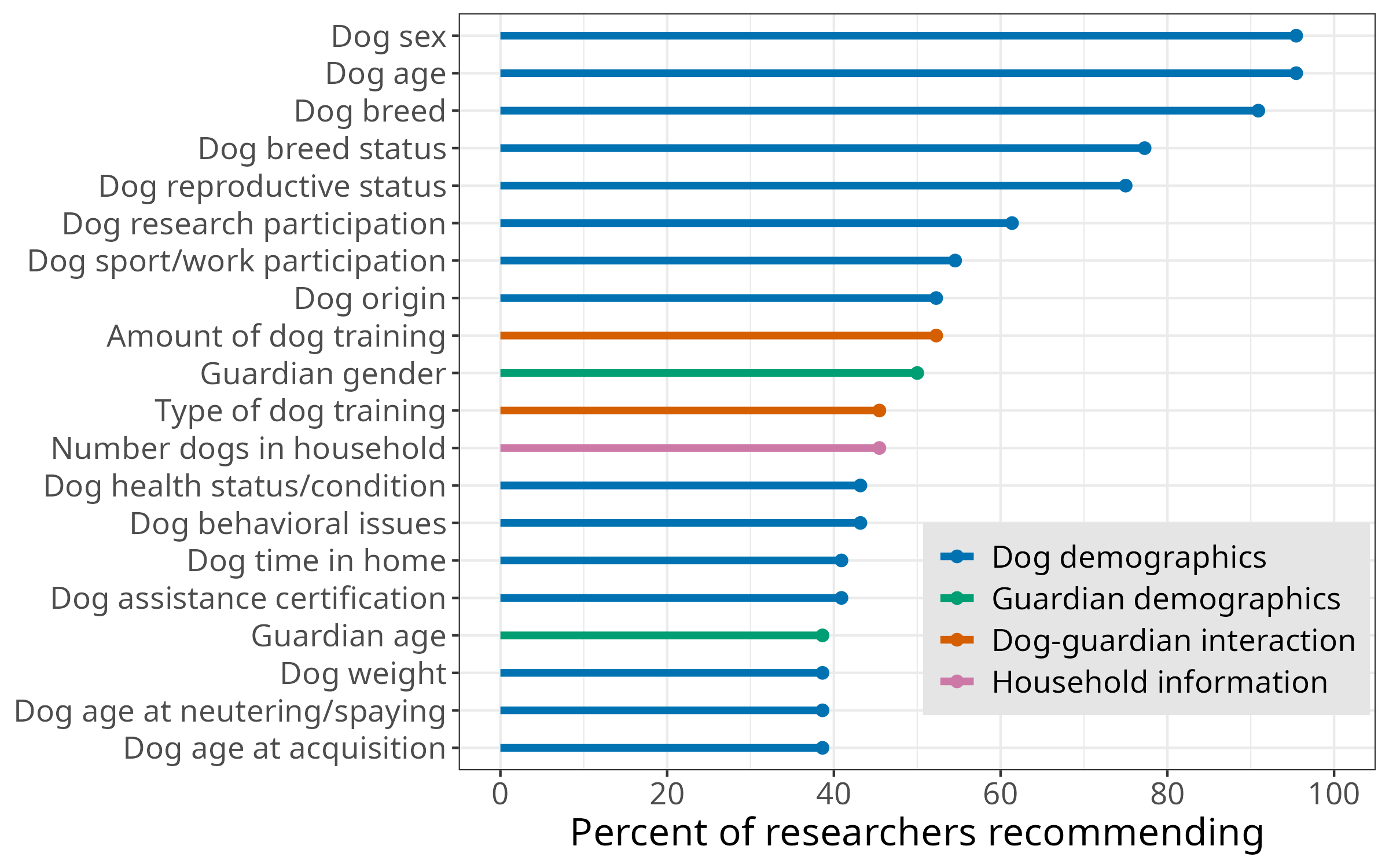
Reported demographics (2019-2024)
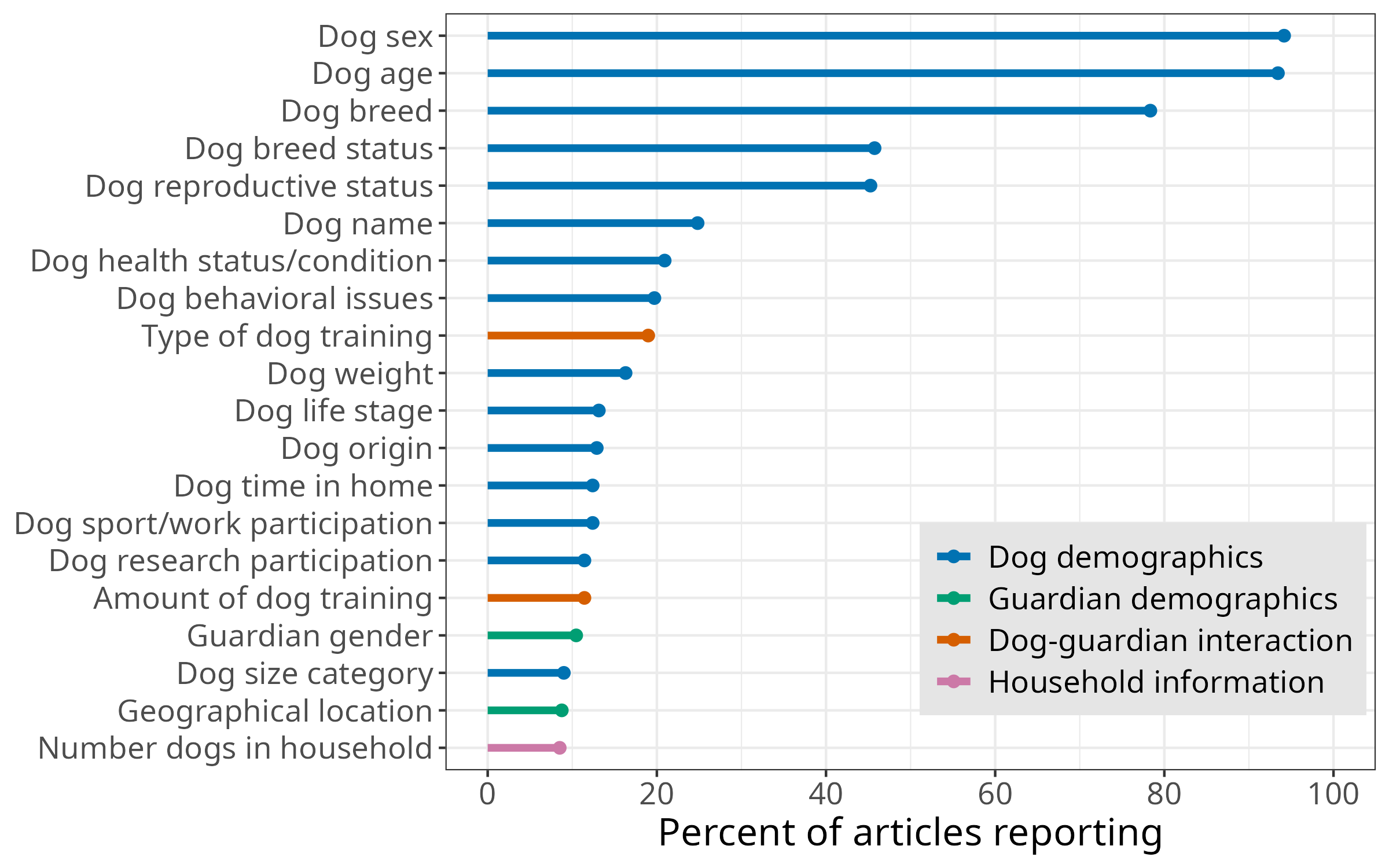
Summary

  • Multiple levels of variation

  • Striking demographic variation across research sites

  • Inconsistent reporting of demographics

  • Carefully consider sample when comparing studies

Wrap-up

Take home message

A dog is not a dog is not a dog

Contact

dogcog.unl.edu

unl_cchil

unl.cchil

@unlcchil.bsky.social

PSYC 852: Data Processing and Visualization in the Behavioral Sciences
Image of light brown dog with yellow tennis ball in its mouth.